The landscape of user engagement is shifting rapidly as digital ecosystems move away from predictable, legacy point systems. Modern consumers now seek immersive and dynamically tailored incentives that provide instant value and a sense of personal progression. This shift is forcing platform developers to rethink how they structure achievements and loyalty programs to maintain long-term audience interest.
The Transition Toward Real-Time Gratification
Modern interactive systems are increasingly prioritizing immediate feedback loops to satisfy the growing consumer demand for speed. Delayed gratification is becoming a concepts of the past as automated distribution networks allow players to unlock benefits instantly. This immediate acknowledgment reinforces positive behavior and encourages continuous participation across various web applications.
Furthermore, real-time tracking gives users a clear overview of their immediate achievements without requiring manual updates. When participants see their milestones updated instantly, their baseline interest increases significantly. This structural accessibility turns casual visitors into active community members who regularly return to explore new incentives.
Personalization Powered by Behavioral Insights
Generic reward structures are rapidly giving way to customized incentives that adapt to individual preferences. By leveraging advanced analytical tools, modern platforms can analyze interaction patterns to offer highly relevant gifts. This tailored approach ensures that every user receives challenges and bonuses that match their unique style.
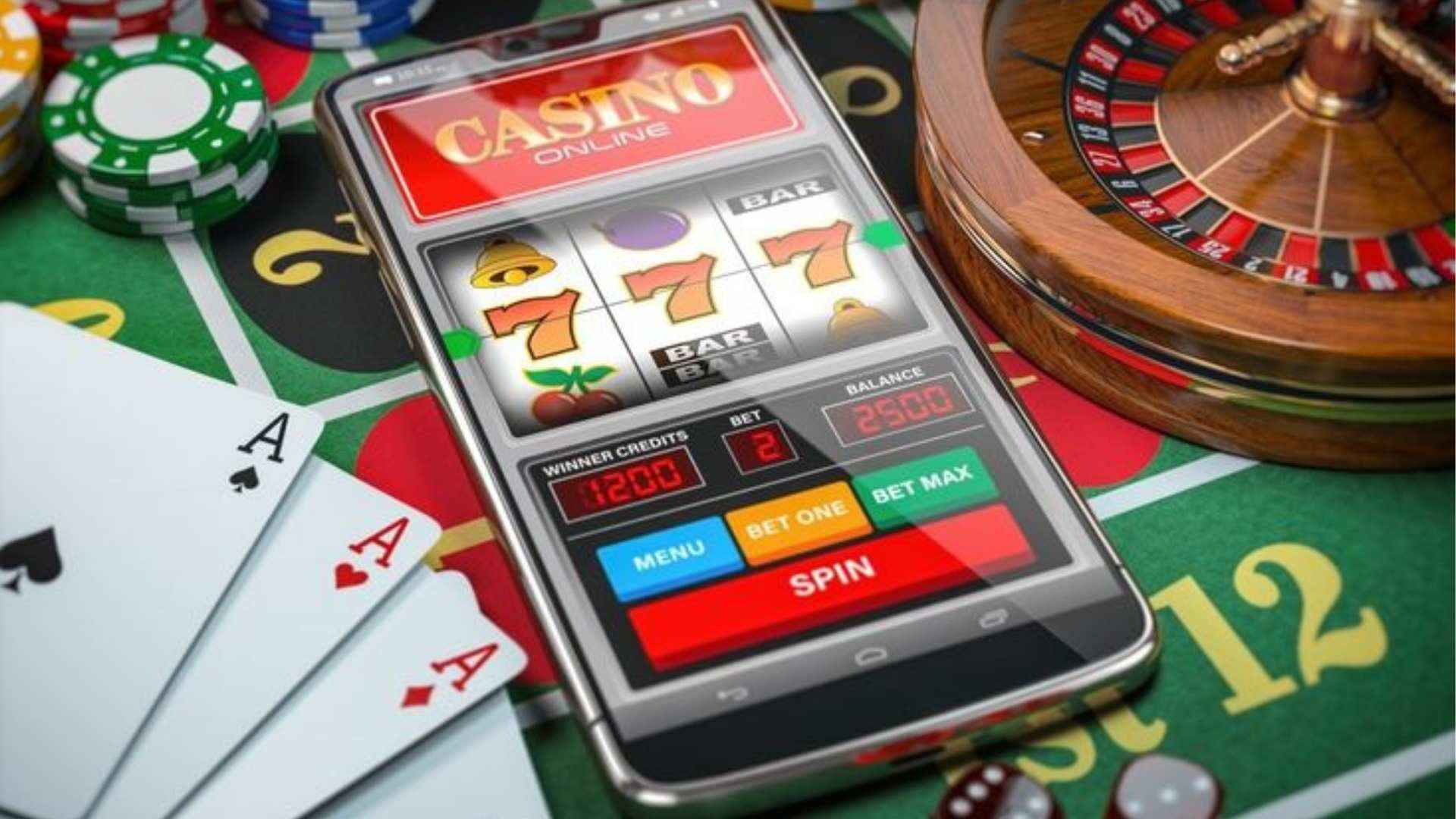
For instance, an active player exploring a modern digital environment might encounter specialized opportunities like a boss29 slot layout designed to optimize gaming mechanics. Offering distinct options based on real-time activity helps brands cultivate deeper connections with their user base. Ultimately, personalization transforms standard marketing campaigns into meaningful journeys that foster genuine brand loyalty.
Gamification and Immersive Design Frameworks
Integrating complex game design elements into everyday digital interactions has proven foundational for community retention. Visual effects, interactive progression bars, and collaborative milestones elevate simple tasks into deeply engaging experiences. Audiences are no longer satisfied with static forms; they expect a dynamic environment that provides entertainment alongside tangible value.
Social connectivity also plays a critical role in these modernized frameworks by introducing cooperative challenges. Sharing achievements across active communities builds a unique form of social camaraderie among active users. Discussing potential outcomes turns solitary digital tasks into highly interactive events that naturally attract larger audiences.
Ensuring Equity and Verifiable Systems
As virtual distributions grow in popularity, maintaining participant confidence relies heavily on establishing verifiable equity. When audiences can clearly see how outcomes are decided, their trust in the promotional ecosystem increases. Modern online environments leverage sophisticated verification tools to ensure that every selection process remains fair and unbiased.
Clear documentation regarding participation rules and distribution limits further protects the integrity of the campaign. Transparent operations eliminate skepticism and encourage users to engage more deeply with randomized drops. By prioritizing open communication and system reliability, digital organizers build a sustainable environment for future growth.