Integrating game-based learning into modern mathematics curricula has transformed how students grasp complex statistical theories. By utilizing interactive probability games, educators can bridge the gap between abstract numerical formulas and tangible, real-world applications. This pedagogical approach not only boosts classroom engagement but also cultivates vital critical thinking skills from an early age.
Fostering Intuitive Understanding of Risk
Traditional teaching methods often rely heavily on rote memorization of formulas, which can alienate young learners. Probability games change this dynamic by allowing students to experience mathematical variance and statistical distribution firsthand through active play. Experiencing these randomized outcomes helps students move past emotional reactions and develop a structured framework for analysis.
Through repetitive gameplay, individuals learn to calculate the likelihood of different events without feeling overwhelmed by dense textbooks. This hands-on exploration transforms abstract mathematical theory into a highly visual and practical lesson. Over time, students naturally transition from relying purely on intuition to making data-driven decisions based on evidence.
Practical Classroom Applications and Tools
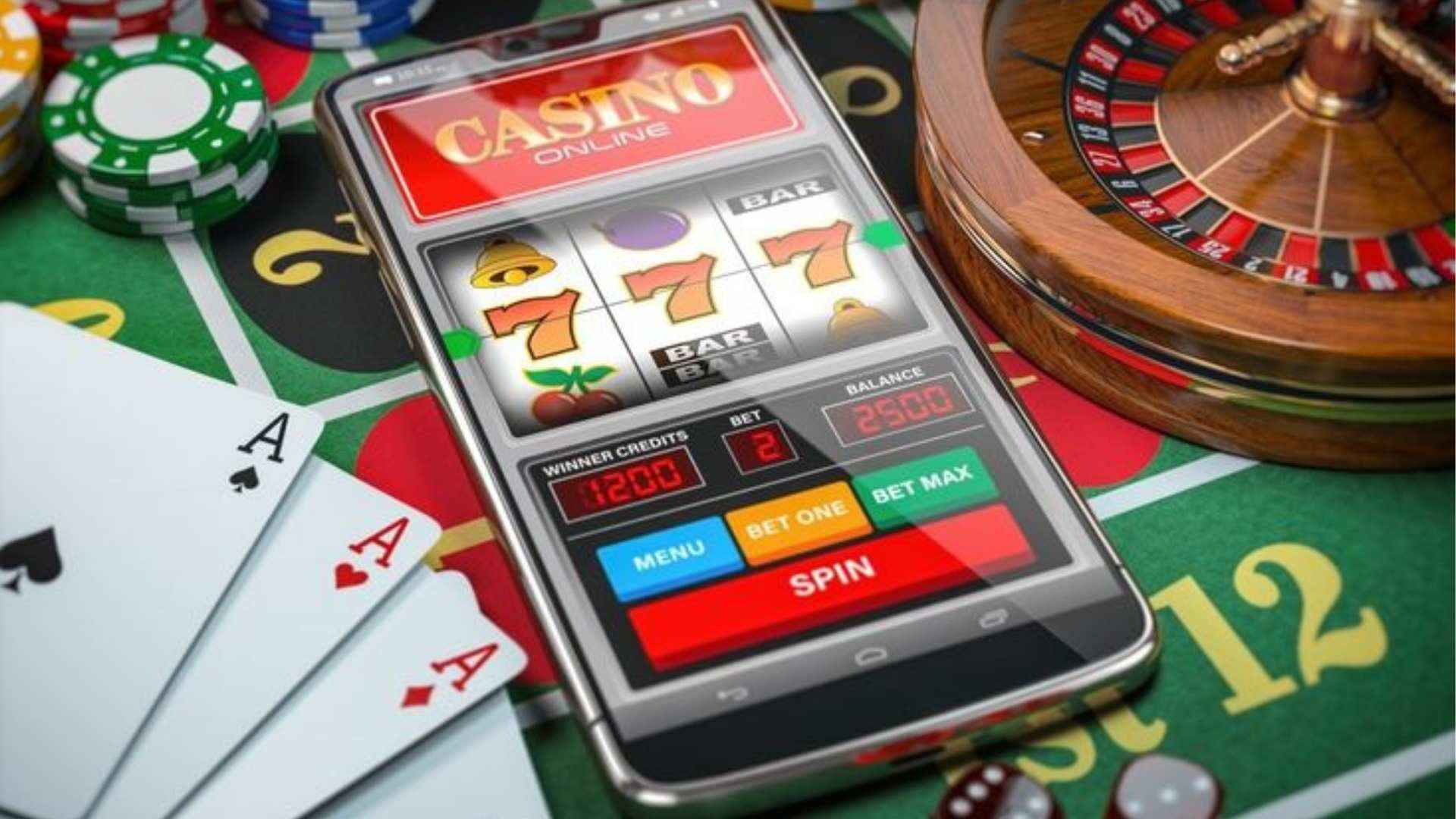
Educators can deploy a wide variety of interactive activities, ranging from classic tabletop dice challenges to sophisticated digital software. Incorporating these varied tools ensures that learners of all skill levels can find an entry point into statistical logic. For instance, analyzing digital random number generators on a platform like M88 casino offers a practical context to study advanced data modeling and real-world scenarios.
Furthermore, cooperative group challenges allow students to track experimental probability versus theoretical expectation collaboratively. Working in teams encourages healthy academic competition and helps develop strong communication and peer-to-peer problem-solving habits. These structured exercises ensure that mathematical education remains dynamic, memorable, and inclusive for every participant.
Balancing Luck and Strategy in Lessons
A crucial aspect of probabilistic instruction is teaching students to distinguish between pure chance and calculated strategy. While certain elements of a game rely entirely on the roll of a die, subsequent tactical decisions heavily influence the long-term results. Recognizing these boundaries helps enthusiasts appreciate how structured analysis can mitigate variance over extended periods.
By breaking down these underlying mechanics, teachers foster a deeper appreciation for the mathematical laws that govern uncertainty. This balanced approach prevents common misconceptions, such as the gambler's fallacy, from clouding a student's logical process. Consequently, learners exit the classroom with a highly realistic understanding of probability and prediction.
Enhancing Cognitive Agility and Life Skills
Beyond standard academic metrics, probability-focused lessons play a defining role in sharpening general cognitive agility and logical reasoning. Students learn to navigate unpredictable situations safely, which mirrors the complex choice architectures they will face in daily adult life. Developing this foundational mindset prepares individuals to manage financial, professional, and personal risks objectively.
Ultimately, gamified strategies empower students by removing the deep-seated anxiety often associated with quantitative science. When mathematical challenges are reframed as engaging puzzles, learners build long-term confidence in their analytical capabilities. This robust educational foundation ensures that critical thinking becomes a permanent asset throughout their academic journeys.